



Special Article - Year 2026 - Volume 41Issue 1
State of the Art in Breast Reinnervation after Mastectomies with Preservation of the Nipple-Areola Complex: Concepts, Anatomical References and Applications
Estado da arte na reinervação mamária após mastectomias com preservação do complexo areolomamilar: Conceitos, referências anatômicas e aplicações

ABSTRACT
Breast reinnervation is not yet widely implemented in clinical practice, with several obstacles that need to be addressed. These include limited technical expertise in breast innervation, the diversity of techniques and medical specialties involved in the development of reinnervationmethods, associated costs, extended surgical durations, lack of standardization in research, and, notably, the low level of evidence. Furthermore, anatomical changes resulting from oncological surgery and/or procedures present additional challenges to spontaneous or surgical neurotization. In addition, postoperative sensory complications require appropriatemanagement and the proper application of reinnervation techniques. This article reviews recent advancements in surgical reinnervation techniques, essential concepts, indications, and anatomical considerations for surgical management. It will also highlight the key findings related to the reinnervation of the nipple-areola complex (NAC) following nipple-sparing mastectomies, whether oncological or preventive, with implant-based reconstruction.
Keywords: breast reinnervation; nipple-areola complex; adenomastectomy; immediate reconstruction
RESUMO
A reinervação mamária ainda não é amplamente praticada na prática clínica, o que apresenta diversos obstáculos a serem superados. Entre eles, destacam-se a limitada expertise técnica em inervação mamária, a diversidade de técnicas e especialidades médicas envolvidas no desenvolvimento de métodos de reinervação, os custos associados, a longa duração das cirurgias, a falta de padronização nas pesquisas e, principalmente, o baixo nível de evidências. Além disso, as alterações anatômicas decorrentes de cirurgias e/ou procedimentos oncológicos representam desafios adicionais para a obtenção da neurotização espontânea ou cirúrgica. As complicações sensoriais vivenciadas pelas pacientes exigem um melhor manejo das sequelas sensoriais e a aplicação adequada das técnicas de reinervação. O objetivo deste artigo é revisar os avanços recentes nas técnicas cirúrgicas de reinervação, bem como os conceitos essenciais, as indicações e as considerações anatômicas para o manejo cirúrgico. Também serão destacados os principais achados relacionados à reinervação do complexo areolomamilar (CAM) após mastectomias (oncológicas ou profiláticas) com preservação do mamilo e reconstruções mamárias com implantes.
Palavras-chave: reinervação mamária; complexo areolomamilar; adenomastectomia; reconstrução imediata
Introduction
Breast reinnervation was first introduced in the early 1990s as a promising strategy for restoring sensation in patients experiencing varying degrees of pain or sensory disturbances after breast surgery. These symptoms continue to significantly affect patients' quality of life, including their social, psychological, and sexual well-being. From minor procedures to major surgeries, varying levels of sensory disturbance have been documented, and are typically managed with clinical support and percutaneous interventions aimed at pharmacologically symptom control.
In this context, breast reinnervation has emerged as a surgical strategy aimed at reducing both the duration and severity of postoperative sensory symptoms. In particular, nipple-areola complex (NAC) reinnervation represents an innovative and technically demanding field that may restore both protective and erogenous sensation, with the potential to significantly improve the quality of life of patients undergoing nipple-sparing mastectomy with immediate implantbased reconstruction, among other breast procedures.1 2 3
The primary objective of nerve-sparing mastectomy combined with nipple-areola complex (NAC) neurotization is to restore protective and erogenous sensation to the reconstructed breast. This approach represents a significant advancement in reconstructive surgery despite its technical complexity. Although a growing body of literature supports the efficacy of breast neurotization in improving sensory outcomes, the heterogeneity of the reported techniques contributes to variable clinical results. Combining nervesparing mastectomy with neurotization using autografts or allografts is theorized to provide the optimal conditions for sensory recovery. Standardization of both the nerve-sparing mastectomy technique and the NAC neurotization procedure is a essential to generate robust and reproducible evidence.4
Successful implementation of these techniques requires detailed knowledge of anatomical references, basic neurorrhaphy techniques, and the current evidence regarding breast reinnervation. Standardization of the surgical technique is crucial to enable reliable outcome assessment and improve sensory recovery.
Methods
This narrative review of the literature aimed to synthesize the current state of the art in breast reinnervation following mastectomy and immediate implant-based reconstruction, in addition to describe the fundamental principles of breast reinnervation techniques. This design was selected to provide a comprehensive and critical discussion on the current technical advances, existent surgical protocols, and the challenges associated with implementing these techniques.
The literature search was conducted using the PubMed database between June 2025 and December 2025. Reference lists of the included articles were also screened to identify additional relevant publications.
The search included English-language publications covering the technical aspects of breast reinnervation, as well as prospective and retrospective clinical studies evaluating sensory outcomes following breast reinnervation after mastectomy with immediate breast reconstruction with prosthesis. Editorials and letters to the editor were excluded.
The selection process consisted of screening titles and abstracts, followed by full-text reassessment of potentially eligible studies. The final selection was made by a single reviewer. Given the heterogeneity of the retrieved studies, a thematic narrative synthesis was chosen.
Data were analyzed through critical interpretation and integration of the findings from the included studies, with emphasis on identifying areas of consensus, disagreement, and knowledge gaps. The main limitations of this review include its non-systematic design, which may have resulted in omission of relevant studies, and the methodological heterogeneity of the included studies, which precluded direct statistical comparisons. Therefore, a narrative and interpretative approach was considered the most appropriate.
Basic Concepts and Techniques of Reinnervation
Breast reinnervation, also known as neurotization or reneurotization, may occur spontaneously (indirectly) through natural sensory recovery without medical intervention, or may be induced (directly) through a surgical procedure.
Spontaneous sensory recovery involves a sequence of biological events beginning with Wallerian degeneration, which promotes removal of damaged tissue, followed by the advancement of the regenerating growth cone and, finally, the reinnervation of the target organ. However, when this process is altered or interrupted, they can cause complications such as neuropathic pain, muscle atrophy (in case of motor nerve involvement), neuroma formation, irreversible muscle degeneration, sensory loss or disturbances resulting from damage to the corpuscles of Meissner and Merkel cells. In these cases, in addition to the resulting decrease of the quality of life, the resulting symptoms can be identified and requires specialized medical care.2'5 6 7 8
Basic nerve repair (coaptation) techniques include end-to-end suturing, end-to-side, the use of regenerative tubes and nerve grafting. Its main objective is to facilitate axonal growth and promote nerve regeneration. Generally, sutures are made in the epineurium and/or perineurium planes, using 8.0 to 10.0 gauge nylon, two to four stitches.8
In addition, it is possible to use surgical tissue adhesives or fibrin sealants to reinforce the safety of the sutures used in nerve coaptation. Although these methods require further research to fully validate their efficacy in primary neurorrhaphy, they have proven to be valuable tools in nerve repair, especially when added in situations of limited donor or recipient nerve availability, as well as to ensure tensionfree coaptation.7'8
Regenerative tubes or nerve ducts, manufactured from biological or synthetic materials, facilitate the alignment of the nerve regeneration area by releasing neurotrophic factors that guide axonal growth toward the distal end. They are particularly useful in nerve defects up to 3 cm in length.7'9
When the nerve gap exceeds 3 cm, nerve grafting is generally recommended. This technique makes it possible to avoid extensive dissection of the donor nerve and provides tension-free continuity between nerve endings, filling large defects using biological or synthetic graft material. It is the only viable alternative in reconstructions with prostheses after a mastectomy and it is especially useful in conservative adenectomy of the nipple-areola complex, where the extensive loss of cutaneous nerves prevents their preservation for oncological reasons. In this context, nerve grafts are often used as connectors between the fourth or fifth intercostal nerve and the nipple. Although this technique is expensive, it has been shown to offer significant sensory recovery and may be combined with nerve conduits.7
Nerve transfer involves harvesting a healthy donor nerve, which can be sectioned in whole or in part by using either the entire nerve or selected fascicles. The proximal end of the donor nerve is then grafted onto the distal end of the injured or recipient nerve. This is a type of autologous nerve graft, since it uses exclusively tissue from the patient's own body, making it an option suitable for tissues with low viability. It is indicated for injuries with denervation lasting longer than 12 months, where there is a high risk of atrophy of the neuromotor end plate or the sensory receptors in the skin, as well as in severe lesions with extensive defects or in presence of abundant scar tissue that prevents adequate axonal by spontaneous regeneration or by other techniques. Its main disadvantage is the possible functional deterioration of the donor nerve.8
Direct muscle neurotization consists of implanting the proximal end of the nerve into the muscle. Even if the motor end plate is not viable, the muscle can respond to the acetylcholine released by the nerve, which can induce the formation of new motor end plaques. For this technique to be effective, the recipient muscle must have an adequate viability, vascularization and joint mobility. It is recommended in cases where direct coaptation or nerve grafting are not possible due to loss of the motor end plate or distal nerve segment.8
On the other hand, direct cutaneous neurotization involves the anastomosis of a donor nerve, either from the adjacent region or from the flap/graft, with the sensory nerve of the area recipient. In the context of breast reconstruction, this technique not only improves the tactile perception, but also promotes the recovery of erogenous sensitivity.8
Neurotization techniques may be associated with various surgical complications, including:
• Anatomical variations in the arrangement of nerves and blood vessels.
• Technical difficulties in locating nerves due to anatomical alterations caused by previous surgeries or cancer treatments.
• Lack of nerve recovery despite proper application of the technique.
Although neuromas are not often mentioned in many studies, they represent a relevant clinical concern. In addition, some research has suggested certain risk factors that may affect the success of reinnervation, such as diabetes, a high body mass index, radiotherapy and endocrine therapy. However, they require more extensive and detailed studies to optimize the preoperative planning process and improve clinical outcomes.7
Reinnervation Techniques from the Skin Flap of Adenomastectomy and Anatomical References
Recent advances in reconstructive surgery have made sensory restoration a key priority, leading to the application of neurotization techniques in both autologous reconstruction and implant-based procedures. The foundation of these techniques is nerve-preserving mastectomy. This technique involves meticulously identifying the lateral intercostal nerves during surgery, determining which can be safely maintained within the subcutaneous tissue, and dissecting them through the breast parenchyma to maximize preserved length. While some nerves may require transection to adhere to oncological principles, careful identification of their anterior branches—particularly during the lateral dissection of the breast toward the chest wall—allows surgeons to preserve potential pathways for sensory restoration.4
Although spontaneous recovery of NAC sensation may occur following oncologic surgery, its quality, extent, and timing cannot be predicted. Rochlin et al. demonstrated improved sensation of the nipple, areola, and surrounding breast skin in patients undergoing gender-affirming mastectomy.10
In immediate implant-based breast reconstruction, neurorrhaphy is generally performed through anastomosis of the intercostal nerve directly with the nipple-areola complex (NAC), with or without the use of nerve grafts or conduits.5'10 Successful sensory recovery of the NAC using this technique depends on detailed knowledge of the lateral and anterior cutaneous branches of the intercostal nerves, which provide the principal sensory innervation of the breast, as detailed in ►Figs 1-2.
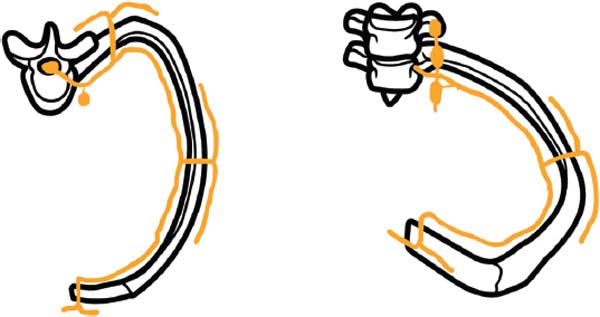
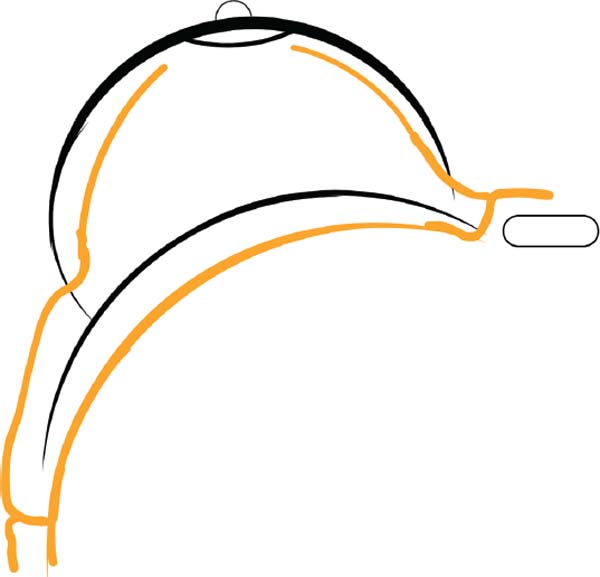
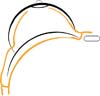
The lateral intercostal branches are frequently located ~l-2cm lateral to the lateral border of the pectoralis major muscle. The sensation of the NAC is complex, with numerous sensory receptor endings at the areola; among the third to fifth intercostal nerves responsible for NAC innervation, the fourth intercostal nerve provides the predominant sensory innervation, and its course is particularly relevant, since it does not follow a course parallel to the rib (►Fig. 3). Its lateral branch, after emerging at the lateral border of the pectoralis major muscle, performs a downward curve in the lower lateral quadrant and finally heads toward the nipple-areola complex. 4'11
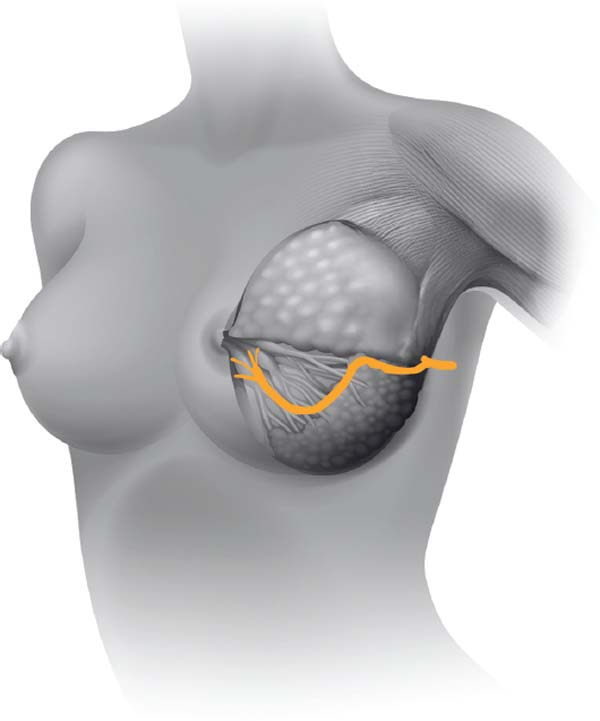
Consequently, the fourth intercostal nerve is generally the preferred donor nerve for NAC reinnervation during adenomastectomies with immediate implant-based reconstruction.10
Obtaining the greatest possible donor nerve length is essential to achieve tension-free nerve anastomosis. Once a nerve is identified, it can be dissected several centimeters into the breast parenchyma before branching too thin for allografting. The distal end of the nerve is then sharply transected, and the mastectomy proceeds as planned. If direct coaptation is not feasible, a nerve graft or regenerative tube will be necessary to complete the nerve segment, ensure tension-free neurorrhaphy, and potentially reduce ischemia time of the recipient tissue by avoiding prolonged dissection time of the donor nerve (►Fig. 4). Likewise, both the nerve and the nerve graft or regenerative tube should be placed as anteriorly as possible with respect to the prosthesis and/or dermal meshes or matrices, if their use is also indicated.4'6
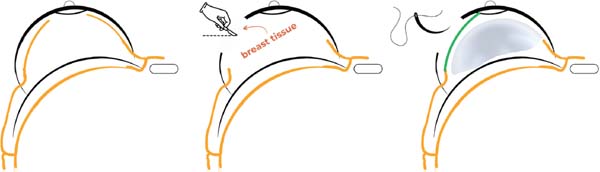
It is generally not possible to predict the extent of nerve reinnervation, so patients should be informed about the risk of incomplete reinnervation or the need for regenerative grafts or tubes to achieve tension-free nerve coaptation. Otherwise, Zhang, Moroni and Moreira demonstrated that optimal sensory recovery in implant-based nipple-areola complex reconstruction requires a tailored approach for nerve graft length, as anatomical chest dimensions vary significantly between patients. Their study describes a reproducible predictive technique based on standardized, objective anatomical measurements. By applying a formula derived from these measurements, surgeons can calculate the required intercostal nerve graft length preoperatively. Based on early results, this approach replaces subjective estimation with a reliable, quantifiable protocol, ensuring surgical application across diverse patient anatomies.12
To preserve NAC sensation during breast surgery, conservative dissection of the lower lateral quadrant is recommended to preserve the course of the fourth intercostal nerve, which is an important source of innervation of the NAC and may be relevant in indirect or direct neurotization, performed with or without a flap, depending on the type of surgery.
In implant-based breast reconstruction, it may be beneficial to incorporate nerve grafts or regenerative tubes to facilitate nerve coaptation, thus reducing tension on the anastomosis. Peled et al. observed that breast reinnervation works adequately in surgeries using breast prostheses with volumes up to 400-450 cc. More specifically, reinnervation of the NAC requires a longer learning curve, so the most suitable patients to start this curve are those undergoing prophylactic adenomastectomies, since they are not exposed to more radical oncological interventions, whether surgical or radiotherapy.6 According to Djohan et al, neurorrhaphy of the NAC increases the immediate reconstruction time by ~10 minutes.13
There is still controversy as to whether frozen-sample biopsy is really necessary to determine the presence of nerve endings in the NAC, especially after nerve-preserving techniques. Gfrerer et al. recommend direct suturing of the healthy nerve to the NAC.5
During mesh or implant placement, meticulous technique is essential to prevent disruption of the neurotized construct, with particular caution advised when employing suction devices. In the absence of suitable allografts, a viable alternative is the harvest of an autologous graft via dissection of an adjacent intercostal nerve.
Surgical drains must be positioned prior to nipple-areola complex (NAC) anastomosis, ensuring their placement avoids any potential compression or displacement of the coapted nerve graft. Patients must be counseled regarding the potential for increased neurotization failure risk associated with rapid tissue expansion protocols. Coopey et al. implemented a standardized protocol incorporating a four-week latency period prior to initiating slow expansion and tailored their approach to coordinate with adjuvant radiotherapy schedules, aiming to optimize surgical outcomes. The current paucity of high-level evidence defining the optimal timing for expansion following neurotization highlights a critical gap in the literature and underscores the necessity for future prospective studies in this domain.4
The successful neurotization of the nipple-areola complex (NAC) depends upon the fulfillment of several critical conditions. These include coordinated multidisciplinary collaboration between breast and plastic surgeons, a comprehensive understanding of the procedural technicalities, sufficient graft length to achieve a tension-free repair, appropriate caliber matching between the nerve graft and recipient nerve, and meticulous low-tension coaptation to prevent fascicular bunching. Conversely, several factors predispose the procedure to failure, such as inadequate nerve stump length, suboptimal surgical technique, the use of large-volume implants, and poorly vascularized mastectomy flaps. Under such unfavorable conditions, it is prudent to consider aborting the neurotization attempt to avoid a compromised outcome.4
In some cases, dissection can be unsuccessful also because the donor nerve length is insufficient or because the nerves of interest for coaptation have already been sectioned. In these situations, the strategy is modified. When the nerve stumps do not reach the target nerve or tissue, reinnervation of the target muscle or locoregional tissue can be indicated.
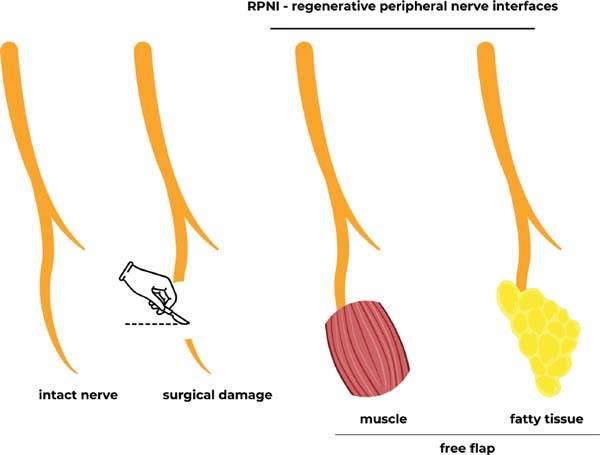
Reinnervation of the nipple-areola complex is achieved by coaptation of a healthy intercostal nerve to the subareolar smooth muscle. This technique involves the removal of the area affected by a neuroma if it has consolidated at the surgical site. In such circumstances, resection of the neuroma may compromise the availability of the nerve for anastomosis. When direct cutaneous neurorrhaphy is still feasible, the procedure can be complemented with a nerve graft or conduit; otherwise, the use of regenerative peripheral nerve interfaces (RPNIs) is indicated, which involve the fixation of free nerve endings in free flaps or grafts, whether dermal, fat or muscle and have been shown to be highly beneficial in preventing neuroma formation and reducing phantom pain at the surgical site5'14 (►Fig. 5).
Indications and Solidity of Studies
Currently, one of the indicated scenarios for breast reinnervation is its application in breast surgeries with skin or nipple-areola complex (NAC) preservation, such as in riskreducing mastectomies (in patients carrying pathogenic variants in the BRCA 1 and/or 2 genes, for instance) or in oncological adenomastectomies (in patients diagnosed with extensive or invasive ductal carcinoma in situ).1 '3
Other applications of NAC reinnervation are currently under development, such as in gender-affirming surgeries, where the absence of oncological treatment provides better anatomical definition and fewer variables affecting outcomes. The challenge of standardizing techniques remains an obstacle to the development and availability of treatment protocols. According to the most recent data, there are still studies with small sample sizes, diverse settings, and variable methods for evaluating outcomes, including differences in follow-up times. Furthermore, few prospective prospective clinical studies are available. Even systematic reviews present a degree of methodological limitation due to the scarcity of high-quality studies. In the case of NAC reinnervation after immediate prosthetic reconstruction, the literature is even more limited. However, available evidence suggests that NAC reinnervation is a promising technique for sensory recovery in the complex. As aspects for improvement, future studies should address limitations such as small sample sizes and short follow-up periods.15'16
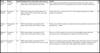
►Table 1 summarizes the studies that relate NAC reinnervation techniques in adenomastectomies with immediate reconstruction using implants, highlighting their most relevant findings and levels of evidence.
| Study | Design | Sample | Technique (breast and reinnervation surgery) | Results | LE |
|---|---|---|---|---|---|
| Chang et al17 | Case and control | 71* | Mastectomy with prosthesisreconstruction.* NAC reinnervation: intercostalswith nerve graft. | In the subgroups with immediate reconstruction and skin preservation, sensory improvement of the NAC was significant between 6 and 1 8 months of follow-up. | 3B |
| Peled and Peled18 | Prospective cohort | 16 | MNS and reconstruction with prosthesis and matrix dermal. NAC reinnervation: intercostals with nerve graft. | Touch in the NAC was preserved in 87% of the sample postoperatively, despite sample size limitations. | 2B |
| Tevlin et al19 | Retrospective cohort | 34 | MNS with prosthetic reconstruction.NAC reinnervation: intercostals with nerve graft. | The recovery of NAC sensitivity in reinnervation with immediate reconstruction was significant (p = 0.0001). | 2B |
| Djohan et al13 | Prospective cohort | 8 | MNS with prosthetic reconstruction.NAC reinnervation: intercostals with nerve graft. | Recovery of NAC sensitivity was observed with immediate reinnervation and reconstruction, but with limitations in sample size and follow-up time. | 2B |
| Sorenson et al20 | systematic review | 212 | NSM with prosthetic reconstruction.NAC reinnervation: intercostals with or no nerve graft. | Early data on nipple neurotization after NSM suggest mild improvements in restoring sensory recovery and patient satisfaction. Heterogeneity in surgical techniques and outcome measures, as well as poor study designs, limits definitive conclusions. | 1 |
Conclusions
Breast reinnervation has not yet been widely incorporated into clinical practice because of the lack of standardized techniques and evidence, as well as the additional material and professional costs they entail for services. Knowledge of basic neurorrhaphy techniques, as well as their applications in regional reinnervation surgeries of the nipple-areola complex (NAC), represents an important step in the training of the specialist surgeon. Recognizing postoperactive pain syndromes associated with breast surgery is essential for surgical management and approach with minimal side effects.
Breast reinnervation has emerged as a promising strategy for restoring sensation following mastectomy, thanks to advances in surgical techniques. Although definitive reinnervation protocols have not yet been developed, the goal of achieving maximizing postoperative sensory quality of life for patients is currently the subject of intense scientific research.
References
1. Ducic I, Yoon J, Momeni A, Ahcan U. Anatomical considerations to optimize sensory recovery in breast neurotization with allograft. Plast Reconstr Surg Glob Open 2018;6(11):e1985. Doi: 10.1097/GOX.0000000000001985
2. Beugels J, Cornelissen AJM, Spiegel AJ, et al. Sensory recovery of the breast after innervated and non-innervated autologous breast reconstructions: a systematic review. J Plast Reconstr Aesthet Surg 2017;70(09):1229–1241. Doi: 10.1016/j.bjps.2017.05.001
3. Yap LH, Whiten SC, Forster A, Stevenson JH. The anatomical and neurophysiological basis of the sensate free TRAM and DIEP flaps. Br J Plast Surg 2002;55(01):35–45. Doi: 10.1054/bjps.2001.3746
4. Coopey S, Keleher A, Daniele K, et al. Careful where you cut: strategies for successful nerve-preserving mastectomy. Plast Reconstr Surg Glob Open 2024;12(05):e5817. Doi: 10.1097/GOX.0000000000005817
5. Gfrerer L, Sager JE, Ford OA, et al. Targeted nipple areola complex reinnervation: technical considerations and surgical efficiency in implant-based breast reconstruction. Plast Reconstr Surg Glob Open 2022;10(07):e4420. Doi: 10.1097/GOX.0000000000004420
6. Peled AW, Peled ZM. Sensory reinnervation after mastectomy with implant-based reconstruction. Ann Breast Surg 2022;6:27. Doi: 10.21037/abs-21-9
7. Escandón J, Mroueh J, Reid C, et al. Innervated breast reconstruction: a narrative review of neurotization techniques and outcomes. Annals of Translational Medicine. [Internet]. 2024 [cited jul 2024];12(04) Available from: https://atm.amegroups.-org/article/view/115096
8. Barreto Nino AM, Nieto Ramirez LE. Neurotization: a key concept in repairnervous. Med Univ 2021;62(03):. Doi: 10.11144/Javeriana.umed62-3.nccr
9. Spiegel AJ, Menn ZK, Eldor L, Kaufman Y, Dellon AL. Breast reinnervation: diep neurotization using the third anterior intercostal nerve. Plast Reconstr Surg Glob Open 2013;1(08):e72. Doi: 10.1097/GOX.0000000000000008
10. Rochlin DH, Brazio P, Wapnir I, Nguyen D. Immediate targeted nipple-areolar complex reinnervation: improving outcomes in gender-affirming mastectomy. Plast Reconstr Surg Glob Open 2020;8(03):e2719. Doi: 10.1097/GOX.0000000000002719
11. Carrau D, Del Pinto Z, Carraher A, Chetta MD. Breast reinnervation—the next frontier in autologous breast reconstruction: a review of early results. Ann BreastSurg2022;6:14. Doi: 10.21037/abs-20-146
12. Zhang C, Moroni EA, Moreira AA. One size does not fit all: prediction of nerve length in implant-based nipple-areola complex neurotization. J Reconstr Microsurg 2025;41(07):566–574. Doi: 10.1055/a-2460-4589
13. Djohan R, Scomacao I, Knackstedt R, Cakmakoglu C, Grobmyer SR. Neurotization of the nipple-areola complex during implant-based reconstruction: evaluation of early sensation recovery. Plast Reconstr Surg 2020;146(02):250–254. Doi: 10.1097/PRS.0000000000006976
14. Leach GA, Dean RA, Kumar NG, et al. Regenerative peripheral nerve interface surgery: anatomic and technical guide. Plast Reconstr Surg Glob Open 2023;11(07):e5127. Doi: 10.1097/GOX.0000000000005127
15. Remy K, Fruge SE, McCulloch IL, et al. Reinnervation of free nipple grafts associated with improved erection function. Plast Reconstr Surg Glob Open 2025;13(01):e6418. Doi: 10.1097/GOX.0000000000006418
16. Hu AC, Makarewicz NS, Sharma A, Nguyen DH. Impact of nipple areolar complex reinnervation on sensory outcomes following gender-affirming mastectomy. Plast Reconstr Surg Glob Open 2024;12(01):63. Doi: 10.1097/01.GOX.0001006192.77534.fe
17. Chang TN, Lu JC, Sung CW, et al. Elongation of intercostal nerve cutaneous branches for breast and nipple neurotization during breast reconstruction after mastectomy for breast cancer: case-control study. Br J Surg 2024;111(02):znae005. Doi: 10.1093/bjs/znae005
18. Peled AW, Peled ZM. Nerve preservation and allografting for sensory innervation following immediate implant breast reconstruction. Plast Reconstr Surg Glob Open 2019;7(07):e2332. Doi: 10.1097/GOX.0000000000002332
19. Tevlin R, Brazio P, Tran N, Nguyen D. Immediate targeted nippleareolar complex re-innervation: improving outcomes in immediate autologous breast reconstruction. J Plast Reconstr Aesthet Surg 2021;74(07):1503–1507. Doi: 10.1016/j.bjps.2020.11.021
20. Sorenson TJ, Boyd CJ, Park JJ, et al. Nipple areolar complex (NAC) neurotization after nipple-sparing mastectomy (NSM) in implant-based breast reconstruction: a systematic review of the literature. Breast J 2025;2025:2362697. Doi: 10.1155/tbj/2362697
21. Burns PB, Rohrich RJ, Chung KC. The levels of evidence and their role in evidence-based medicine. Plast Reconstr Surg 2011;128(01):305–310. Doi: 10.1097/PRS.0b013e318219c171
1. Mastology Service, HU Brasil Federal University of Rio Grande do Norte (UFRN),
Natal, RN, Brazil
2. Breast Unit, General Surgery Service, Institute of Biomedical Research A Coruna
(INIBIC), Complex University Hospital A Coruña, A Coruña, Spain
Address for correspondence Aline Falean Alves Magalhães, MD, MSc, MastologyService, HU Brasil Federal University of Rio Grande do Norte (UFRN), Natal, RN, Brazil (e-mail: aline.falean.mastologia@gmail.com).
Article received: January 16, 2026.
Article accepted: June 01, 2026.
The authors have no conflict of interests to declare.
Editor-in-Chief: Dov Charles Goldenberg
 Read in Portuguese
 Read in English
 PDF PT
 Print
 Send this article by email
 How to Cite
 Mendeley
 Pocket
 Facebook
 Twitter