



Original Article - Year 2026 - Volume 41Issue 1
Laser-Assisted Superficial Axillary Liposuction Using the Orlight Laser with Thermographic Monitoring for the Treatment of Bromhidrosis: A Novel Technique and Prospective Series of 38 Cases
Lipoaspiração axilar superficial assistida por laser Orlight com monitorização termográfica no tratamento da bromidrose: Técnica própria e série prospectiva de 38 casos

ABSTRACT
Introduction Axillary bromhidrosis (osmidrosis) is a chronic condition characterized by unpleasant odor resulting from the bacterial biotransformation of apocrine secretions, causing significant psychosocial impact. Treatment options include clinical measures and open or minimally invasive surgical procedures.
Objective To describe a novel technique based on the combination of superficial axillary liposuction and the Orlight laser with continuous thermographic monitoring (maximum skin temperature ≤39 °C) and to present the results of a prospective series of 38 cases with a minimum follow-up of 12 months.
Methods This prospective observational study was conducted at Hospital Ruben Berta following approval by the Research Ethics Committee and after obtaining informed consent from all participants. All patients underwent preoperative psychological evaluation with a structured questionnaire. The technique included the starchiodine test for surgical marking, sedation, tumescent infiltration (Klein solution), superficial liposuction in the dermal-subcutaneous plane, and application of the Orlight laser (intensity 15), guided by a thermal camera with maximum skin temperature limited to 39 °C. Categorical variables were presented as proportions with 95% confidence intervals (95% CI) calculated using the Wilson method.
Results Twenty men and eighteen women were included, with ages ranging from 18 to 52 years (mean: 31 years). Symptomonset occurred predominantly between 12 and 15 years of age (approximatemean within this interval, based on patient history).Mean odor intensity decreased from 8 to 2 (0-10 scale), representing an absolute reduction of 6 points and a relative reduction of 75%. Mild recurrence occurred in 5 of 38 patients (13.2%; 95% CI, 5.8%-27.3%). Localized fibrosis was observed in 4 out of 38 patients (10.5%; 95% CI, 4.2%-24.1%), and transient paresthesia in 3 out of 38 patients (7.9%; 95% CI, 2.7%-20.8%), with resolution within 1 month. No seromas or hematomas were observed. Overall satisfaction exceeded 80%.
Conclusion The combined technique demonstrated a substantial reduction in odor intensity, high patient satisfaction, and a lowcomplication rate, representing a safe and reproducible minimally invasive alternative for the treatment of axillary bromhidrosis.
Keywords: bromhidrosis ; osmidrosis ; liposuction ; laser ; thermography ; axilla
RESUMO
Introdução A bromidrose axilar (osmidrose) é uma condição crônica caracterizada por odor desagradável decorrente da biotransformação bacteriana de secreções apócrinas, causando impacto psicossocial significativo.As opções terapêuticas incluem medidas clínicas e procedimentos cirúrgicos abertos ou minimamente invasivos.
Objetivo Descrever técnica própria baseada na associação entre lipoaspiração axilar superficial e laser Orlight com monitorização termográfica contínua (temperatura cutânea máxima ≤39 °C) e apresentar resultados de uma série prospectiva de 38 casos com seguimento mínimo de 12 meses.
Métodos Estudo prospectivo observacional realizado no Hospital Ruben Berta, com aprovação do Comitê de Ética em Pesquisa e obtenção do termo de consentimento pós-esclarecido de todos os participantes. Todos os pacientes foram submetidos à avaliação psicológica pré-operatória com aplicação de questionário estruturado. A técnica incluiu teste do amido-iodo para demarcação, sedação, infiltração tumescente (solução de Klein), lipoaspiração superficial no plano dermossubcutâneo e aplicação do laser Orlight (intensidade 15), guiada por câmera térmica com temperatura cutânea máxima limitada a 39 °C. Variáveis categóricas foram apresentadas como proporções com intervalos de confiança de 95% (IC95%) pelo método de Wilson.
Resultados Foram incluídos 20 homens e 18 mulheres, com idade entre 18 e 52 anos (média: 31). O início dos sintomas ocorreu predominantemente entre 12 e 15 anos (média aproximada nesse intervalo, por anamnese). A intensidade média do odor reduziu de 8 para 2 (escala 0-10), com redução absoluta de 6 pontos e redução relativa de 75%. Retorno leve ocorreu em 5/38 (13,2%; IC95% 5,8%-27,3%). Observou-se fibrose localizada em 4/38 (10,5%; IC95% 4,2%-24,1%) e parestesia transitória em 3/38 (7,9%; IC95% 2,7%-20,8%), com resolução em <1 mês. Não houve seroma nem hematoma. A satisfação global foi superior a 80%.
Conclusão A técnica combinada demonstrou redução relevante da intensidade do odor, alta satisfação e baixo índice de complicações, configurando-se como uma alternativa minimamente invasiva, segura e reprodutível para o tratamento da bromidrose axilar.
Palavras-chave: bromidrose ; osmidrose ; lipoaspiração ; laser ; termografia ; axila
Introduction
Axillary bromhidrosis (osmidrosis) is characterized by persistent, unpleasant body odor, primarily attributed to the bacterial conversion of precursors present in apocrine secretions into volatile odorous compounds. 1, 2 Although the condition is frequently associated with sweating, the determining factor underlying the odor involves the interaction between the apocrine substrate and the cutaneous microbiota. 2
Clinically, onset after puberty is common, coinciding with the functional maturation of the apocrine glands. 3 In many patients, the condition persists for years and may lead to social limitations, embarrassment, social withdrawal, and impaired self-esteem. In continuity with the Kataoka's previously published observations in the RBCP, 1, 4 the psychosocial burden was considered a relevant component of the treatment protocol, justifying systematic preoperative psychological evaluation.
Reported treatments include clinical measures (targeted hygiene, antiseptics, topical antibiotics in selected cases, and hair removal 3), as well as interventional approaches. These include open excisional techniques 1, 3 (potentially effective but associated with greater scar-related and functional morbidity) and closed or minimally invasive techniques, such as suction curettage, 5 shaver-assisted techniques, 10, 11 superficial liposuction, 5, 6 interstitial lasers (1,444-nm Nd), 12, 13 and microwave thermolysis. 14, 15 Reviews and meta-analyses suggest that closed techniques may provide a favorable balance between efficacy and morbidity despite methodological heterogeneity and variations in the definition of recurrence. 16, 17
In this context, a novel technique was developed combining superficial liposuction (mechanical reduction of the glandular substrate) with adjunctive thermolysis (Orlight laser), using continuous thermographic monitoring and an objective thermal endpoint (≤39 °C) to improve reproducibility and safety.
Objectives
To describe a novel surgical technique of laser-assisted superficial axillary liposuction using the Orlight laser with continuous thermographic monitoring and a maximum skin temperature of ≤39 °C.
To evaluate clinical outcomes (odor intensity and patient satisfaction) and safety profile (recurrence and adverse events) in a prospective series of 38 patients with a minimum follow-up of 12 months.
To critically discuss the findings and position the technique within the current literature, including a formal statistical analysis of proportions (95% confidence interval [CI]).
Materials and Methods
Study design and ethical considerations: prospective observational case series conducted at Hospital Ruben Berta, São Paulo, Brazil. The study protocol was submitted to and approved by the institutional Research Ethics Committee. All patients signed a free and informed consent form.
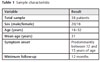
Study population and clinical criteria: the study included 38 patients with axillary bromhidrosis refractory to clinical management and associated with social and/or functional impairment. The study population comprised 20 male and 18 female patients, aged 18 to 52 years (mean age: 31 years). Symptom onset occurred predominantly between 12 and 15 years of age (approximate mean within this interval, based on patient history).
Psychological assessment: all patients underwent preoperative evaluation by a psychologist and completed a structured questionnaire documenting psychosocial impact and alignment of therapeutic expectations. Follow-up or referral was offered when needed.
Outcomes: (i) odor intensity measured using a 0-10 numerical rating scale (preoperative and postoperative); (ii) overall patient satisfaction (routine postoperative assessment at the institution, reported as >80%); (iii) mild recurrence of odor at 12 months; and (iv) adverse events, including seroma, hematoma, localized fibrosis, and transient paresthesia.
Statistical analysis: continuous variables were presented as means. Proportions were reported with 95% confidence intervals (95% CI) calculated using the Wilson method. For outcomes with zero observed cases, the conservative upper limit based on the "rule of three" (3/n) was also reported to provide context for the uncertainty associated with a finite sample size. No p-values were calculated for the preoperative versus postoperative change in odor intensity because measures of dispersion (SD/IQR) or individual paired data were unavailable.
Surgical Technique
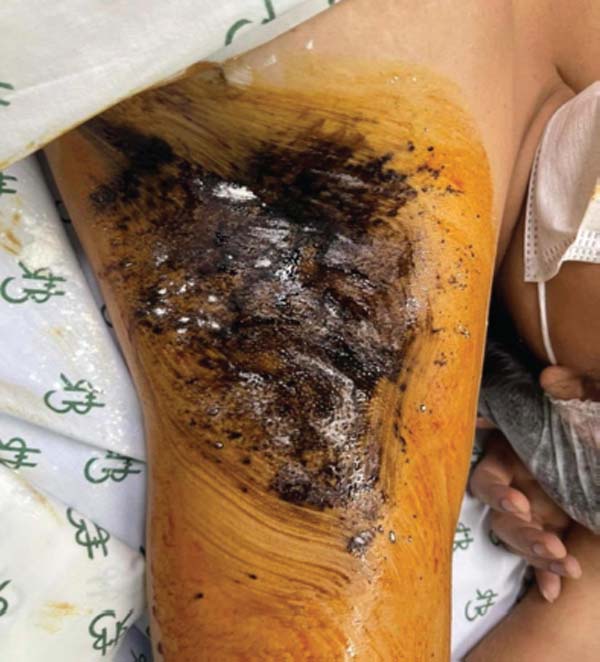
Starch-iodine (Minor) test and surgical marking: the starch-iodine test is performed in the axillaryregion to identify the area of greatest odor-related activity, followed by dermographic marking of the target treatment area (►Fig. 1)
Anesthesia: the procedure is performed under sedation with anesthetic monitoring in a hospital setting.
Tumescent infiltration (Klein solution): the marked area is infiltrated to provide analgesia, vasoconstriction, and hydrodissection of the dermal-subcutaneous plane.
Superficial liposuction: superficial liposuction is performed at the dermal-subcutaneous interface, aiming to disrupt and partially remove the glandular substrate associated with the dermis.
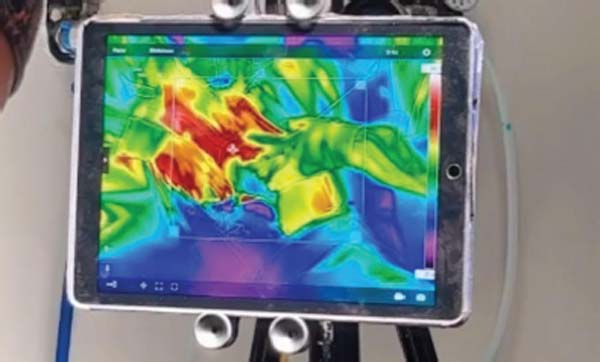
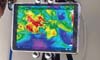
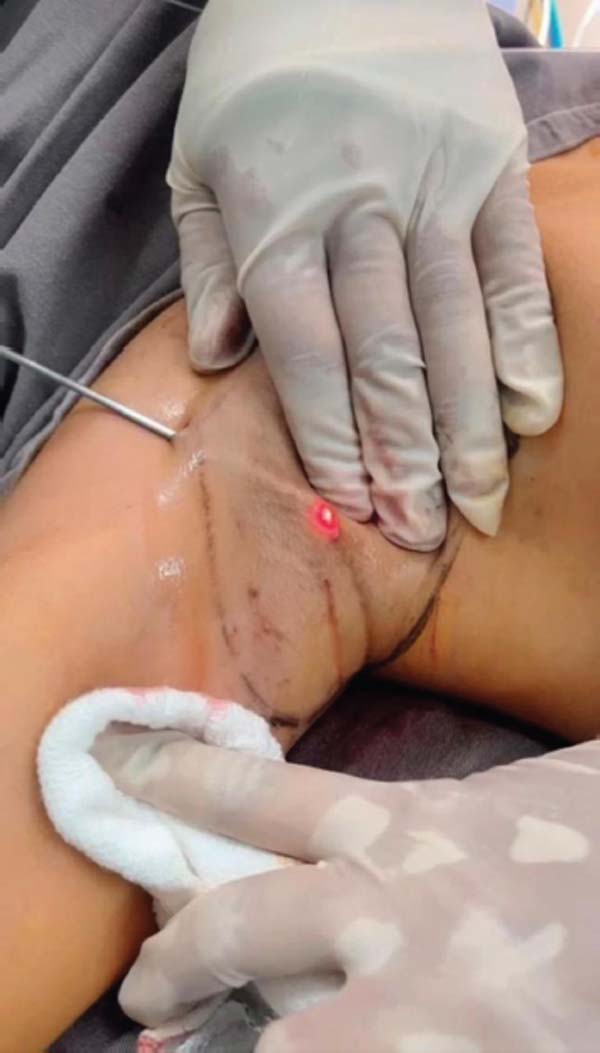
Orlight laser with thermographic monitoring: the laser is applied in the subdermal plane at intensity 15 using continuous, uniform movements under real-time thermographic monitoring, with the maximum skin temperature limited to 39 °C as the safety endpoint ( ►Figs. 2 and 3).
Dressing and postoperative care: a light compressive dressing is applied. Patients are instructed to rest for 48 hours and resume normal activities after 72 hours while avoiding friction and excessive local exertion during the initial postoperative period.
Results
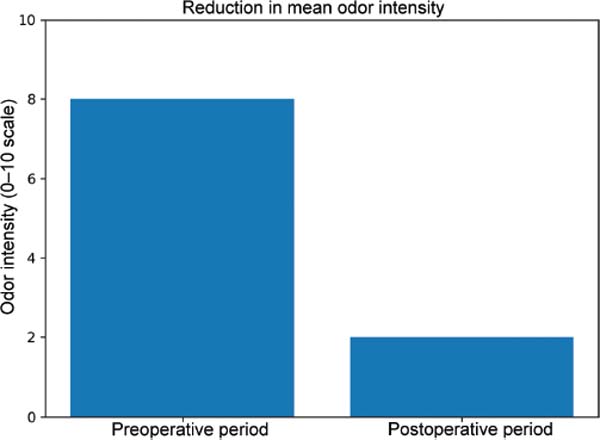
Mean odor intensity decreased from 8 to 2 (0-10 scale), representing an absolute reduction of 6 points and a relative reduction of 75%.
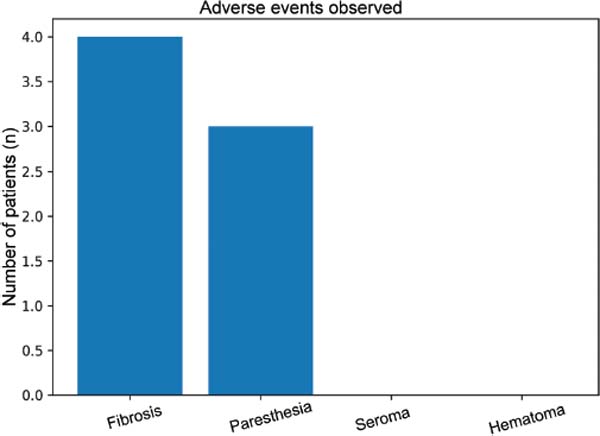
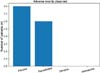
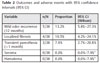
Overall patient satisfaction was reported as greater than 80%. Three patients (7.9%) experienced transient paresthesia, which was resolved completely within one month. Four patients (10.5%) developed localized fibrosis, which was managed with lymphatic drainage without the need for surgical reintervention.
Discussion
The present prospective series describes a proprietary technique for the treatment of axillary bromhidrosis that combines mechanical reduction of the glandular substrate (superficial liposuction in the dermal-subcutaneous plane) 5, 6 with adjunctive thermolysis (Orlight laser), 12, 13 using continuous thermographic monitoring and an objective thermal endpoint (maximum skin temperature ≤39°C). This technical approach addresses a recurring challenge in literature: achieving efficacy comparable to that of more aggressive techniques while maintaining low morbidity and rapid recovery. 13
In terms of efficacy, the mean odor intensity decreased from 8 to 2 on a 0-10 scale, representing an absolute reduction of 6 points and a relative reduction of 75%. Although formal statistical inference (p-value) was not possible because measures of dispersion were unavailable, the magnitude of the observed change is clinically relevant and consistent with meaningful functional and social improvement. The literature on closed techniques reports substantial methodological heterogeneity, including differences in odor and satisfaction scales, units of analysis (per axilla versus per patient), and definitions of recurrence, 16, 17 requiring caution when making direct comparisons. In this context, reporting relative effects together with 95% confidence intervals provides greater transparency.
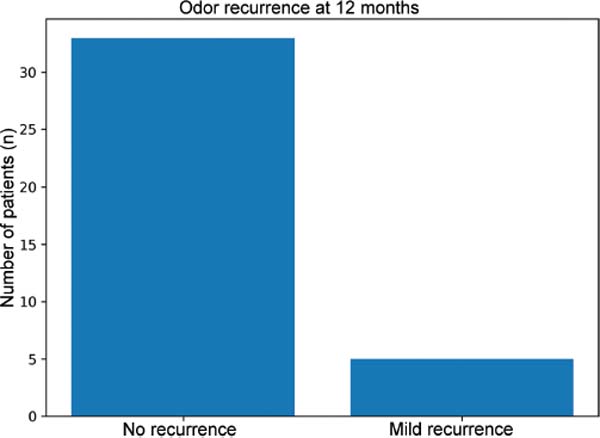
The 12-month rate of mild recurrence was 13.2% (95% CI, 5.8%-27.2%). The width of the 95% confidence interval reflects the sample size while at the same time explicitly acknowledging the remaining uncertainty. Although the point estimate is favorable, the confidence interval does not exclude moderate recurrence rates in larger samples. Nevertheless, this finding is consistent with the range reported for minimally invasive techniques, 8, 16, 17 and the mild nature of the recurrence, without the need for reoperation, suggests sustained clinical control in most patients.
Regarding safety, no cases of seroma or hematoma were observed. In small case series, reporting a rate of 0% without a confidence interval may create a false impression of certainty; therefore, the conservative upper limit estimated using the rule of three (approximately 7.9%) was also reported, reinforcing methodological rigor. Transient paresthesia occurred in 7.9% of patients (95% CI, 2.7%-20.8%) and resolved completely within 1 month, a finding consistent with manipulation of the superficial axillary plane. Localized fibrosis occurred in 10.5% of patients (95% CI, 4.2%-24.1%) and was managed conservatively without sequelae.
The main technical feature of this protocol is continuous thermographic monitoring, establishing a maximum skin temperature of 39 °C as the safety endpoint. Interstitial procedures based on thermal energy depend on heat distribution within the subcutaneous tissue and its dissipation to the dermis. Thermal peaks and exposure time are key determinants of dermal injury and the risk of necrosis or burns. The use of real-time thermography provides objective and potentially reproducible monitoring, reducing operator variability and minimizing the occurrence of clinically undetected hot spots during laser application.
Another relevant methodological aspect was systematic psychological assessment. Bromhidrosis is a condition in which the degree of social and psychological distress may be disproportionate to physical findings. Therefore, preoperative evaluation by a psychologist and the use of a structured questionnaire may serve as strategies for patient selection, expectation management, and documentation of disease impact, all of which directly influence subjective outcomes such as patient satisfaction and perceived improvement. This approach is consistent with evidence regarding the emotional burden of the condition and with one of the authors' previously published clinical experience in the RBCP. 4
| Variable | Result |
|---|---|
| Total sample | 38 patients |
| Sex (male/female) | 20/18 |
| Age (years) | 18-52 |
| Mean age (years) | 31 |
| Symptom onset | Predominantly between 12 and 1 5 years of age |
| Minimum follow-up | 12 months |
| Variable | n/N | Proportion | 95% CI (Wilson) |
|---|---|---|---|
| Mild odor recurrence (12 months) | 5/38 | 13.2% | 5.8%-27.3% |
| Localized fibrosis | 4/38 | 10.5% | 4.2%-24.1% |
| Transient paresthesia (<1month) | 3/38 | 7.9% | 2.7%-20.8% |
| Seroma | 0/38 | 0,0% | 0,0%-7.9%* |
| Hematoma | 0/38 | 0,0% | 0,0%-7.9%* |
Regarding its place within the therapeutic algorithm, the proposed technique may be considered a minimally invasive alternative for moderate to severe bromhidrosis, particularly in patients seeking minimal scarring, rapid recovery, and reduced risk of thermal injury. The combined mechanical-thermal approach aims to reduce residual glandular tissue ("islands") remaining after superficial liposuction, while thermographic monitoring provides an objective mechanism for controlling and standardizing the thermal endpoint. Future studies should incorporate additional objective and standardized outcome measures, such as validated quality-of-life instruments and microbiological or biochemical assessments, when appropriate. Measures of dispersion (standard deviation [SD]/inter-quartile range[IQR])shouldalsobereportedtoallow formal paired inferential analysis and estimation of effect size.
Concerning limitations, this study is a case series without a control group. Odor intensity was reported as mean preoperative and postoperative values without measures of dispersion or distribution (SD/IQR), precluding inferential statistical testing and calculation of a standardized effect size. Patient satisfaction was reported as greater than 80% without the exact proportion. Nevertheless, the standardized surgical technique and the minimum follow-up of 12 months strengthen the descriptive analysis and allow clinical interpretation of the efficacy and safety profile.
Conclusion
Laser-assisted superficial axillary liposuction using the Orlight laser with continuous thermographic monitoring (≤39 °C) proved to be a reproducible and safe technique in this prospective series of 38 patients, resulting in a substantial reduction in odor intensity (75%), overall patient satisfaction exceeding 80%, and a low frequency of adverse events, with no cases of seroma or hematoma. The 12-month rate of mild recurrence was 13.2% (95% CI, 5.8%-27.2%).
Future comparative studies using standardized outcome measures and paired analyses may further strengthen the evidence.
REFERENCES
1. Kataoka A. Tratamento cirúrgico da bromidrose. Rev Bras Cir Plást 2017;32(03):377-382. Doi: 10.5935/2177-1235.2017RBCP0062
2. James AG, Austin CJ, Cox DS, Taylor D, Calvert R. Microbiological and biochemical origins of human axillary odour. FEMS Microbiol Ecol 2013;83(03):527-540. Doi: 10.1111/1574-6941.12054
3. Mao GY, Yang SL, Zheng JH. Etiology and management of axillary bromidrosis: a brief review. Int J Dermatol 2008;47(10):1063--1068. Doi: 10.1111/j.1365-4632.2008.03735.x
4. Kataoka A, Mendes CCS. Implicações psicológicas nos pacientes com bromidrose. Rev Bras Cir Plást 2021;36(04):443-450. Doi: 10.5935/2177-1235.2021RBCP0130
5. Seo SH, Jang BS, Oh CK, Kwon KS, Kim MB. Tumescent superficial liposuction with curettage for treatment of axillary bromhidrosis. J Eur Acad Dermatol Venereol 2008;22(01):30-35. Doi: 10.1111/j.1468-3083.2007.02323.x
6. Lee D, Cho SH, Kim YC, Park JH, Lee SS, Park SW. Tumescent liposuction with dermal curettage for treatment of axillary osmidrosis and hyperhidrosis. Dermatol Surg 2006;32(04):505--511, discussion 511. Doi: 10.1111/j.1524-4725.2006.32103.x
7. Bechara FG, Sand M, Hoffmann K. Tumescent liposuction with dermal curettage for treatment of axillary osmidrosis and hyperhidrosis. Dermatol Surg 2007;33(01):125-132. Doi: 10.1111/j.1524-4725.2007.33024.x
8. Li CY, Wang XF, Zhou HY, Fang QQ, Tan WQ. Refined tumescent liposuction-curettage with pruning in small incisions for treatment of axillary bromhidrosis. Dermatol Ther 2021;34(01): e14690. Doi: 10.1111/dth.14690
9. Rezende RARM, Luz FM. Aspiration curettage for the treatment of axillary hyperhidrosis: step-by-step technique. Surg Cosmet Dermatol 2016;8(3):250-254. Doi: 10.5935/scd1984-8773.20168302
10. Lee JC, Kuo HW, Chen CH, Juan WH, Hong HS, Yang CH. Treatment for axillary osmidrosis with suction-assisted cartilage shaver. Br J Plast Surg 2005;58(02):223-227. Doi: 10.1016/j.bjps.2004.07.002
11. Tseng YJ, Lee CH, Lin SH. Modified suction-assisted cartilage shaver for axillary osmidrosis. BioMed Res Int 2019; 2019:7314753. Doi: 10.1155/2019/7314753
12. Jung SK, Jang HW, Kim HJ, et al. A prospective, long-term follow-up study of 1,444 nm Nd:YAG laser: a new modality for treating axillary bromhidrosis. Ann Dermatol 2014;26(02):184-188. Doi: 10.5021/ad.2014.26.2.184
13. Lee KG, Kim SA, Yi SM, Kim JH, Kim IH. Subdermal coagulation treatment of axillary bromhidrosis by 1,444nm Nd:YAG laser: a clinical report. Ann Dermatol 2014;26(01 ):99-102. Doi: 10.5021/ad.2014.26.1.99
14. Glaser DA, Coleman WP III, Fan LK, et al. A randomized, blinded clinical evaluation of a novel microwave device for treating axillary hyperhidrosis: the dermatologic reduction in underarm perspiration study. Dermatol Surg 2012;38(02):185-191. Doi: 10.1111/j.1524-4725.2011.02250.x
15. Hsu TH, Chen YT, Tu YK, Li CN. A systematic review of microwave-based therapy for axillary hyperhidrosis. J Cosmet Laser Ther 2017;19(05):275-282. Doi: 10.1080/14764172.2017.1303168
16. Zhang L, Chen F, Kong J, Li Z, Wen X, Liu J. The curative effect of liposuction curettage in the treatment of bromhidrosis: a meta-analysis. Medicine (Baltimore) 2017;96(33):e7844. Doi: 10.1097/MD.0000000000007844
17. Yang HH, Miao Y, Chen YT, Hu ZQ. Minimally invasive approaches to axillary osmidrosis treatment: a comparison between superficial liposuction with automatic shaver curettage, subcutaneous laser treatment, and microwave-based therapy with a modified technique. J Cosmet Dermatol 2019;18(02):594-601. Doi: 10.1111/jocd.12731
1. Plastic Surgery, Hospital Ruben Berta, São Paulo, São Paulo, Brazil
2. Psychology, Hospital Ruben Berta, São Paulo, São Paulo, Brazil
Address for correspondence Alexandre Kataoka, MD, Av. Moreira Guimarães, 330, São Paulo, SP, 04074-020, Brazil (e-mail: drkataoka@hotmail.com).
Article received: February 24, 2026.
Article accepted: June 01, 2026.
The authors have no conflict of interests to declare.
Editor-in-Chief: Dov Charles Goldenberg.
 Read in Portuguese
 Read in English
 PDF PT
 Print
 Send this article by email
 How to Cite
 Mendeley
 Pocket
 Facebook
 Twitter